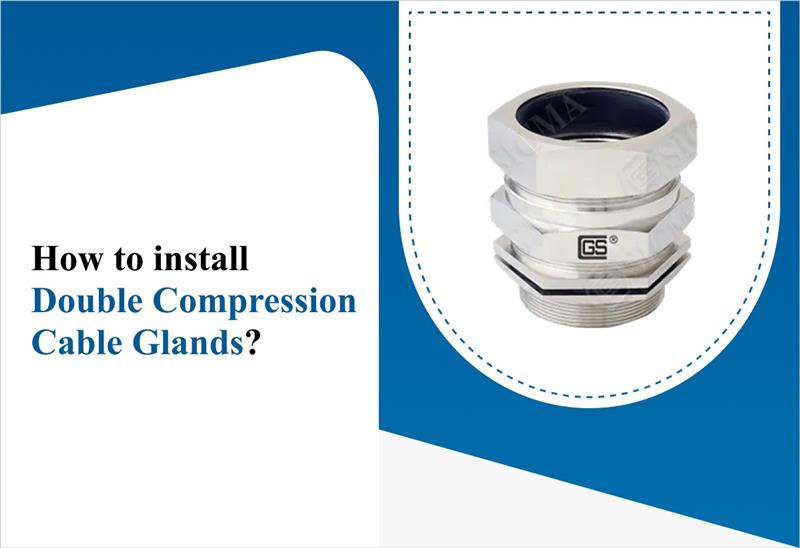
Double compression cable glands are vital components in electrical installations, ensuring the secure and safe entry of cables into enclosures while protecting against environmental factors such as dust, moisture, and vibrations. These glands provide dual compression – one for the cable sheath and another for the cable core offering superior sealing and strain relief.
Maintaining the integrity and safety of electrical systems relies on the correct installation of double compression cable glands. These glands provide secure connections, excellent strain relief, and reliable protection against harsh environmental conditions.
What are Double Compression Cable Glands?
The double compression cable glands serve as an advanced solution for securing and sealing cables entering electrical enclosures or equipment. Unlike single compression glands that apply pressure at just one-point, double compression cable glands provide sealing at both the cable’s entry and exit, ensuring enhanced grip and protection.
It is a type of cable gland that employs a double compression mechanism to create a secure and reliable seal, offering improved protection against environmental factors.
Purpose:
- Enhanced Sealing: Double compression glands provide superior sealing compared to single compression types, significantly reducing the risk of moisture, dust, and gas ingress into electrical equipment.
- Strain Relief: They also offer mechanical support and strain relief, helping to prevent cable damage caused by tension, movement, or vibration.
- Protection in Harsh Environments: Double compression glands are well-suited for harsh environments, including outdoor installations, industrial facilities, and underground applications.
- Safety in Hazardous Areas: They are also suitable for flameproof or explosion-proof applications, providing critical protection against fire hazards and potential explosions.
- Reliability: Double compression glands provide a reliable and secure connection, reducing the likelihood of loose terminations and potential electrical faults.
Installation steps for Double Compression Cable Glands:
- Select the appropriate cable glands: Select the cable glands by matching it to the cable’s diameter and ensuring it is designed to withstand the specific application requirements and environmental conditions. Once selected, remove any protective caps or internal inserts from the gland before installation.
- Prepare the cable: Strip the outer sheath of the cable to expose the inner conductors. Ensure the stripped length is sufficient to allow proper engagement with the cable gland and secure fitting during installation.
- Insert the cable through the glands: Guide the stripped end of the cable through the gland’s entry point, ensuring it passes smoothly through the opening without damaging the insulation. Make sure the cable is fully inserted, with the conductors extending beyond the sealing area for proper connection.
- Place the sealing elements: Carefully position the internal sealing components, such as rubber or plastic grommets, around the cable inside the gland to ensure a tight and secure fit. These elements are essential for providing effective protection against moisture, dust, and other environmental contaminants.
- Secure the locknut: Screw the locknut onto the gland body and tighten it securely by hand to ensure the gland is properly fixed in place. Be careful not to overtighten, as this can damage the cable or compromise the integrity of the gland.
- Final tightening: Use suitable tools, such as wrenches or spanners, to further tighten the locknut and achieve a secure seal. Always follow the manufacturer’s recommended torque specifications to ensure proper installation without causing damage.
- Check for proper installation: Begin by confirming that the cable is securely gripped by the cable gland, free from excessive strain or tension. Ensure that the sealing elements are evenly compressed around the cable, forming a uniform and tight seal. Check the entire assembly for any visible gaps, misalignment, or irregularities that might compromise the sealing efficiency or the overall integrity of the installation.
- Test the connection: Perform the necessary tests to confirm that the cable gland installation and electrical connection meet the required safety and performance standards. This may include insulation resistance testing, continuity checks, or other relevant inspections based on the application and regulatory requirements.
Conclusion
Proper installation of double compression cable glands ensures a secure, watertight seal, reliable strain relief, and long-term protection for cables in demanding environments. Selecting the correct gland size, stripping the cable accurately, and tightening each component to the recommended torque helps prevent moisture ingress, cable slippage, and damage to the insulation, improving overall safety and long-term performance of the installation.
Ensure secure and reliable installations with Double Compression Cable Glands. Designed for maximum protection against dust, water, and mechanical stress, they are ideal for all your cabling needs. For more information about CGS cable glands or to discuss your custom specific project requirements, our team is here to help. Reach out us via info@cgscableglands.com, or request a free quote.